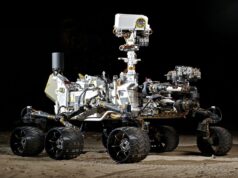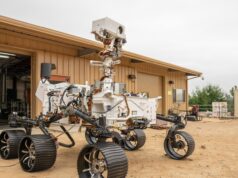




























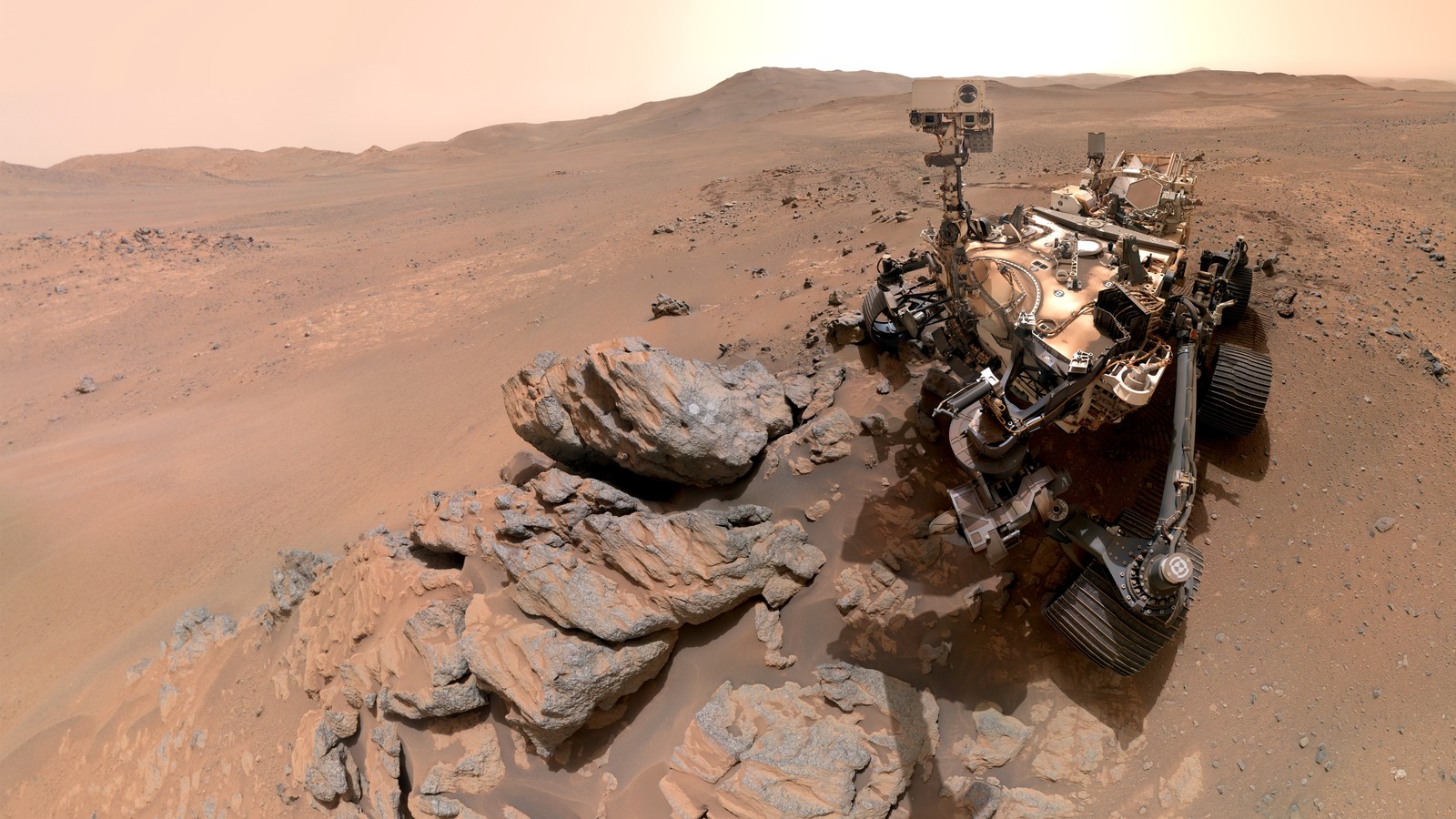
The Perseverance rover marathon is now official. On June 14, 2026, NASA’s six-wheeled geologist rolled past 26.2 miles on Mars. That is the exact length of a marathon, and it landed in Jezero Crater just five years ago. As a result, Perseverance is only the second machine to cover marathon distance on another world. It is also, by a wide margin, the quickest to do it.
A marathon run at 0.1 mph
This milestone is about patience, not speed. Under ideal conditions, Perseverance tops out at just 0.1 mph. So every mile is a careful, planned crawl across rough terrain. Yet the pace still beats the only rover that came before it. NASA’s Opportunity rover first reached marathon distance in 2015, but that effort took 11 years and two months. Perseverance covered the same ground in about five years. For comparison, the older Curiosity rover has logged just over 23 miles since 2012.
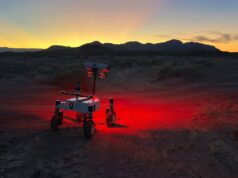
The team framed the journey that way from the start. “Having the benefit of four previous rover missions, the Perseverance team has always known our mission was a marathon and not a sprint,” said acting project manager Steve Lee of NASA’s Jet Propulsion Laboratory. That mindset also explains why NASA is already building faster hardware. One example is the ERNEST rover, built to be quicker and tougher than today’s models.
Where Percy is now: the ‘Wild West’ of Jezero
Perseverance crossed the line while exploring ancient ground west of Jezero Crater. That is the farthest west it has traveled since landing. The science team has nicknamed this region the “Wild West,” and the rocks here are unusually old. Some date back roughly 4 billion years, which makes them among the oldest the mission has studied. One outcrop may even be megabreccia. Those are shattered fragments thrown out by a massive meteorite impact about 3.9 billion years ago.
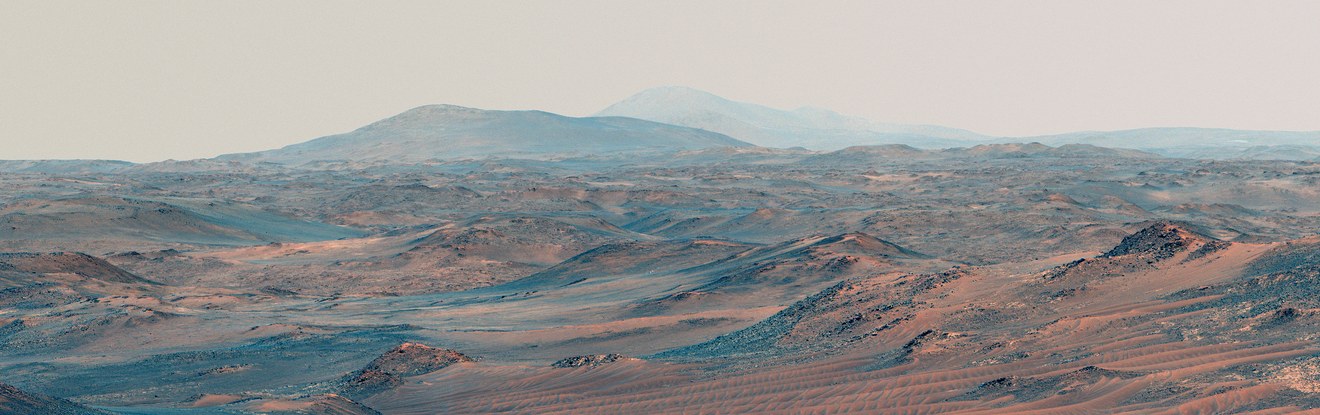
That terrain matters because of what Perseverance has already found nearby. Inside Jezero, the rover uncovered the remnants of an ancient lake. It also found rocks that carry possible signs of ancient life. So far it has collected 27 rock cores, and it has sealed most of them for future study. “What I see in this image is excellent exposure of likely the oldest rocks we are going to investigate,” said deputy project scientist Ken Farley of Caltech.
The bigger question: getting the samples home
Those sealed tubes are the real prize, but they are still sitting on Mars. NASA’s Mars Sample Return plan is meant to fly them back to Earth. There, labs could finally search them for firm evidence of past life. However, that program has faced repeated budget and schedule questions, so no firm return date is locked in. Meanwhile, private players keep pushing their own Mars ambitions, including SpaceX and its planned Starship flyby of the Red Planet.
For now, the marathon stands as a clean milestone in a mission that keeps outlasting expectations. Perseverance is healthy, still driving, and already pushing into what NASA calls ultramarathon territory. The next numbers it chases will be records no rover has ever set.